更多服务
更多服务

 报名条件
报名条件
 报名时间
报名时间
 报名费用
报名费用
 免试条件
免试条件
 报名入口
报名入口
 报名流程
报名流程
 报名简章
报名简章
 考试科目
考试科目
 准考证打印
准考证打印
 考试时间
考试时间
 免考政策
免考政策
 机考介绍
机考介绍
 学位介绍
学位介绍
 就业前景
就业前景
 政策福利
政策福利
 考试费用
考试费用
 难度分析
难度分析
 ACCA教材
 国内考点
国内考点
 薪资待遇
薪资待遇
 时间限制
时间限制
 考试教材
考试教材







ACCA考前须知
来源:
高顿网校
2014-12-10
ACCA PRE-EXAM CHECKLIST
We provide guidance on preparing for your exams, including what to bring with you on the day, regulations, how to maximise opportunities for earning marks and how to organise your exam answers
Examination Attendance Dockets are dispatched three weeks before your first exam. The Examination Attendance Docket includes a timetable of all the exams you are entered for, and details the desk assigned to you for each paper. Importantly, it also gives the address of your exam centre. If you are not sure where the centre is, how to get there, or how long the journey may take, check out your route before the exam. Make allowances for rush hour traffic or other possible delays if your exam starts at a busy time of day. Try to arrive at the exam centre about 30 minutes before the exam is due to start. This will give you time to relax and prepare yourself.
As well as photographic ID, also bring your Examination Attendance Docket to your exam as it will be used to verify your attendance. You must sit at the desk shown on your docket. The supervisor will collect your Examination Attendance Docket during the exam, so please keep it available on your desk. If you have any other exams during the session, the Examination Attendance Docket will be returned to you. If it is your last (or only) exam, the supervisor will keep the Examination Attendance Docket for ACCA’s records.
The Examination Attendance Docket also details important exam regulations and guidelines that you must abide by during the exams; read these carefully, and make sure you only take permitted equipment into the exam. The exam rules and regulations appear in the Noticeboard section of Student Accountant.
Duplicate Examination Attendance Dockets can be downloaded via myACCA.
WHEN YOU ARRIVE AT YOUR EXAM DESK
On your exam desk will be:
a Candidate Answer Booklet
the Examination Question Paper.
Check that you have the booklet, and the correct version of the exam paper, before the exam begins. If you have any queries, raise your hand and an invigilator will come to you.
HOW TO MAKE POINTS AND PRESENT ANSWERS
It seems obvious, but answers must be appropriate to the requirement in terms of form, length and depth.
Ideally, answer questions using clear and relatively short sentences, although answer length does depend on the instructional verbs used in the requirement.
For example, for requirements asking for a ‘list’, or a ‘brief description’, bullet points or brief points will be adequate. If ‘explanation’ is required, then fuller answers should be given; each valid point will normally attract a mark, depending on the mark allocation.
If a requirement asks for analysis or evaluation, then develop points logically, relevantly, and coherently, thereby gaining the additional marks available.
Set out answers so that the marker can clearly see the points being made. ACCA does not penalise candidates for poor grammar or style, especially in the Foundation level exams and Fundamentals level exams, as long as points can be understood by the marker. However, by making points succinctly, you can also earn marks more quickly and efficiently.
Avoid numbering the points made within an answer, unless the numbering relates to that used in the question (see above). Additional numbering can be very confusing for markers.
If a diagram, figure or table is needed to illustrate an answer (such as ‘Porter’s five forces’, for example), then support it with a full explanation. This tells the marker that you understand the model, theory or concept being illustrated.
TIME MANAGEMENT
In an exam, effective time management is vital. If you run out of time, then some questions (or parts) will be left unfinished and marks lost.
The key to good time management is to divide the time allowed between the marks available. For example, in a three-hour exam allow 1.8 minutes per mark, and in a two-hour exam allow 1.33 minutes per mark. This allocation gives a rough guide as to how long to spend on a question or part. Candidates often waste time by:
working on a requirement for longer than necessary because they wish to correct a mistake and amend all related follow?on figures
feeling they have so much to say about a certain requirement that they ‘dump’ all their knowledge in the Candidate Answer Booklet
persevering for too long with a question even though they are struggling.
Candidates can avoid these problems as follows:
If you discover an error in a calculation or on a financial statement, only correct the initial error. Don’t waste time making all the follow?through corrections. By leaving the original error uncorrected, the only mark(s) lost are those associated with that particular entry or calculation, as ACCA uses a ‘method’ or ‘own figure’ marking policy. If the method adopted is correct, credit will always be given despite incorrect numbers being used.
Only make as many points as there are marks available. For example, if five marks are available for discussing a theory, only make five (or possibly six) separate points. If the total mark available is a round number, then the examiner usually awards one mark per relevant point made. So, in this situation, even making 10 relevant points will earn no more than the maximum five marks available, and so writing those additional points wastes time.
If you are struggling to get to grips with a requirement, move on to the next requirement, or even question, leaving enough blank pages in your Candidate Answer Booklet to complete it later.
CONCLUSION
The global pass rate for any exam is very sensitive to the performance of marginal candidates. If these candidates gain an extra mark or two, then not only will they pass, but the global pass rate would be significantly higher.
The guidance in this article can really make a difference, so remember the following:
Find out where your exam centre is, and how to get there, leaving yourself plenty of time.
Turn up to the exam on time and bring your Examination Attendance Docket with you.
Bring the right equipment, including an appropriate calculator and pens with black ink.
Complete the Candidate Answer Booklet properly.
Keep all answers relating to question requirements together and in order and start each question on a new page.
Start the answer to a new requirement in a new paragraph.
Start each answer point on a new line.
Write points concisely and clearly.
Relate the length and depth of answers to the instructional verbs used.
Correct only the original error in calculations or financial statements.
Make only the number of points required for the marks available.
Move on to another question if you are stuck.
版权声明:本条内容自发布之日起,有效期为一个月。凡本网站注明“来源高顿教育”或“来源高顿网校”或“来源高顿”的所有作品,均为本网站合法拥有版权的作品,未经本网站授权,任何媒体、网站、个人不得转载、链接、转帖或以其他方式使用。
经本网站合法授权的,应在授权范围内使用,且使用时必须注明“来源高顿教育”或“来源高顿网校”或“来源高顿”,并不得对作品中出现的“高顿”字样进行删减、替换等。违反上述声明者,本网站将依法追究其法律责任。
本网站的部分资料转载自互联网,均尽力标明作者和出处。本网站转载的目的在于传递更多信息,并不意味着赞同其观点或证实其描述,本网站不对其真实性负责。
如您认为本网站刊载作品涉及版权等问题,请与本网站联系(邮箱fawu@gaodun.com,电话:021-31587497),本网站核实确认后会尽快予以处理。

点一下领资料

【整理版】ACCA各科目历年真题
真题高频考点,刷题全靠这份资料
下载合集

acca全科学习思维导图
梳理核心考点,一图看懂全部章节
下载合集

2023年acca考纲解析
覆盖科目重难点,备考按照计划走
下载合集


acca备考 热门问题解答
- acca考试怎么搭配科目?
-
建议优先选择相关联的科目进行搭配报考,这样可以提高备考效率,减轻备考压力,1、F1-F4:为随时机考科目,难度较低,这里可以自行随意选择考试顺序。2、F5-F9:如果你的工作的和财务会计或者审计有关、或者你比较擅长财务和审计的话,推荐先考F7和F8。你可以选择一起考ACCA考试科目F7和F8或者先考F7(8)再考F8(7),这就要取决你一次想考几门。3、P阶段:选修科目中,建议企业首选AFM!第二部分科目进行选择,如果AA和SBR掌握学生更好,可以通过选择AAA,如果SBL掌握的好,可以自己选择APM。
- acca一共几门几年考完?
-
acca一共有15门考试科目,其中有必修科目和选修科目,考生需要考完13门科目才能拿下证书。
- acca一年考几次?
-
acca一年有4次考试,分别是3月、6月、9月和12月,分季机考科目是采取的这类四个考季的模式,而随时机考则是没有这方面的时间规定限制,可以随报随考。
- acca的含金量如何?
-
ACCA证书的含金量是比较高的,从就业、能力提升、全球认可等角度来说,都是比较有优势的证书,其含金量主要表现在以下几个方面:1、国际化,认可度高;2、岗位多,就业前景好;3、缺口大,人才激励。
严选名师 全流程服务
Sdanvi
高顿ACCA全学科负责人
- 教学特色
- 自创“少女三大法则”和“二阶学习法”
- 教学资历
- 两年内高分通过ACCA考试,ACCA业界学霸型讲师
- 客户评价
- 帮助学生快速理解ACCA的知识点,是ACCA学习不可错过的宝藏博主

马上提问
- 老师好,考出ACCA的难度相当于考进什么大学?
- 老师好,ACCA考试怎样备考(越详细越好)?
- 老师好,38岁才开始考ACCA会不会太迟?
- 老师好,ACCA通过率是多少?
- 老师好,有了ACCA证后好找工作吗?
999+人提问
Perry
高顿acca明星讲师
- 学历背景
- 复旦-麻省理工国际工商管理硕士
- 教学资历
- 曾就职于四大、世界500强
- 客户评价
- ACCA业界学霸型讲师

马上提问
- 老师好,acca如果不去考会怎么样?
- 老师好,acca难度有多大?
- 老师好,acca一年可以考多少门?
- 老师好,acca考试科目几年考完?
- 老师好,acca工资一般是多少钱?
999+人提问
Dora
高顿acca明星讲师
- 学历背景
- 英国布里斯托优秀硕士生
- 教学资历
- 多年普华永道金融组审计师经验
- 客户评价
- 知性又美丽,温柔大姐姐

马上提问
- 老师好,acca持证工资待遇如何?
- 老师好,35岁考acca有意义吗?
- 老师好,考过acca能干嘛?
- 老师好,考完acca可以做什么工作?
- 老师好,acca年薪一般多少?
999+人提问
其他人还搜了
热门推荐
-
ACCA考试查询免考的方法是什么?ACCA免考条件是怎么要求的? 2023-10-30
-
ACCA科目一共有几门?ACCA从备考到拿证需要多长时间? 2023-10-30
-
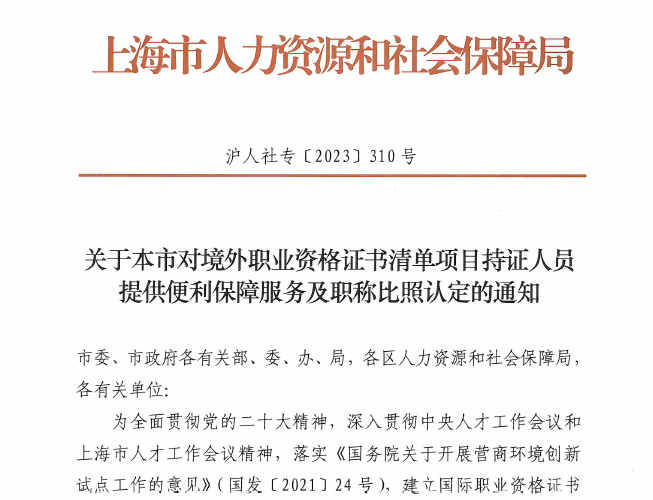
最新消息!FCCA及ACCA证书双双入选《上海市境外职业资格证书认可清单》 2023-10-20
-
昆士兰大学在校可以考acca吗?24年报读必看! 2023-10-18

-
澳大利亚国立大学在校可以考acca吗?报考详情一览! 2023-10-18

-
acca和国内注册会计师对比哪个难?一文解答! 2023-10-16

-
24年会计专业acca考试考什么?一篇文章揭晓! 2023-10-16

-
ACCA加速科目有哪些?最多可以免几科? 2023-10-16

-
澳洲悉尼ACCA加速计划是什么?留学生看过来! 2023-10-16

-
墨尔本大学ACCA加速计划是什么?一篇文章解答! 2023-10-16

-
澳洲ACCA免考是怎么规定的?详情解答一览! 2023-10-16
-
几月报考acca比较好?学姐解答! 2023-10-14

-
关于acca的详细解答,一篇文章介绍! 2023-10-13

-
报名acca都在几月?学姐解答! 2023-10-13

-
acca知识科普,新手不要错过! 2023-10-13





-
acca知识科普,新手不要错过! 2023-10-13
-
acca新手必备科普文,看这篇就够了! 2023-10-13

-
澳洲ACCA悉大加速计划攻略,考生速看! 2023-10-13
-
墨尔本大学ACCA加速计划详解,准备报考ACCA的考生速看! 2023-10-13
-
ACCA缺考有什么影响?一起来看! 2023-10-13
-
要不要报考ACCA?常见问题答疑! 2023-10-13

-
澳洲ACCA就业前景怎么样?附ACCA课程介绍! 2023-10-12
-
深度对比ACCA和CPA证书,一篇看懂! 2023-10-12
-
ACCA考试有多难?考点全面分析! 2023-10-12

-
ACCA49分有救吗?关于成绩复议一篇说透! 2023-10-12

-
进入会计师事务所应该具备哪些条件?一起来看! 2023-10-12

-
金融行业必考证书一览!你在备考哪一个? 2023-10-12

-
ACCA加速计划详解,附申请流程! 2023-10-12

-
ACCA PM备考经验分享,努力的人一定会得到一颗糖 2023-10-03
-
如何做到ACCA F阶段平均分83分?经验分享! 2023-10-02